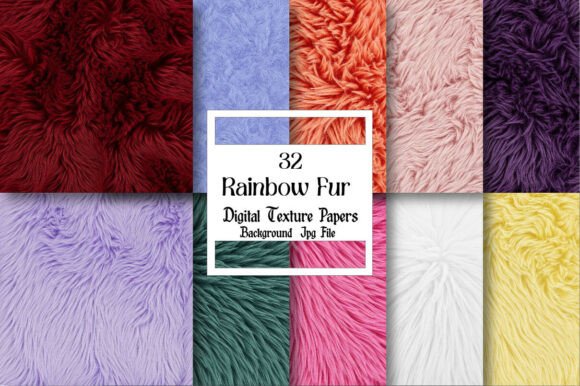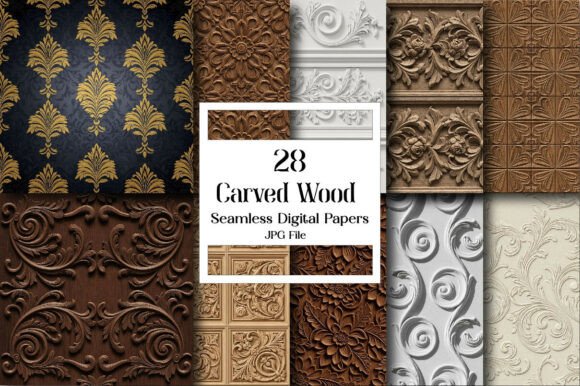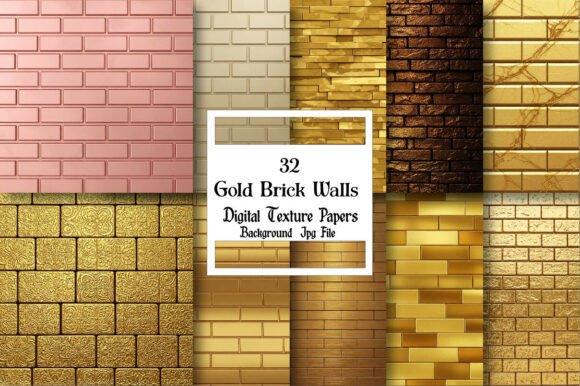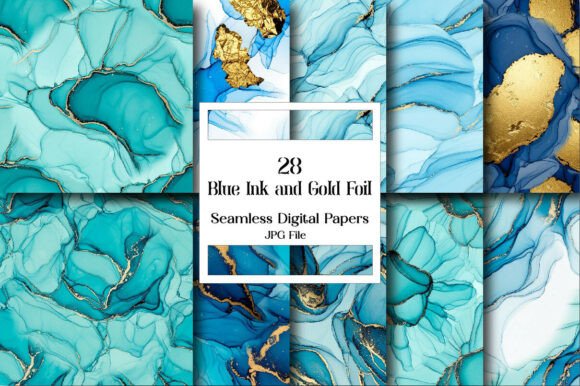
Foil Texture Background Digital Papers for Creative Projects
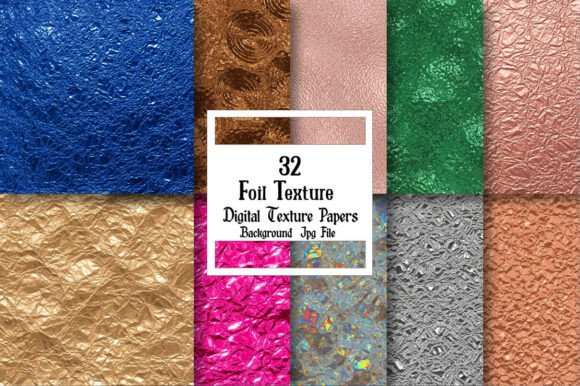
In the realm of digital design and crafting, Foil Texture Background Digital Papers represent a versatile and visually striking resource. These are digital image files, typically in JPG format, that simulate the luxurious appearance of metallic foil. They feature shimmering, reflective textures that can range from sleek gold and silver to vibrant rose gold or holographic effects. As a product category, they are offered as high-resolution, 300 DPI downloads, designed to be resized and adapted for a vast array of personal and commercial creative applications.
Understanding the Product and Its Core Attributes
When evaluating Foil Texture Background Digital Papers, it's essential to understand their fundamental characteristics. They are digital assets, meaning no physical product is shipped; you receive instant access to the files upon purchase. A key technical point is the high resolution of 300 dots per inch (DPI), which is crucial for professional-quality printing, whether for small crafts like stickers or larger items like posters. The provider often notes that some files are seamless, which means the pattern repeats without visible edges, allowing them to tile perfectly for backgrounds on larger surfaces like websites or fabric.
The files come without a watermark, granting the purchaser full use of the clean graphic. However, it's important to clarify the typical licensing: these are usually intended for personal use or for use in finished physical products you create and sell (like a decorated tumbler). They are generally not for reselling as the standalone digital paper itself or for creating your own competing digital paper pack. Understanding these usage parameters is a critical first step in your evaluation.
Primary Reasons for Interest and Key Benefits
Individuals and crafters might seek out Foil Texture Background Digital Papers for several compelling reasons. The foremost benefit is the instant access to a professional-grade aesthetic—the foil effect—without needing specialized equipment or materials to create it physically. This saves significant time and cost compared to purchasing physical foil sheets or learning complex foil application techniques.
The versatility is another major advantage. As the product description suggests, a single download can serve projects across numerous domains. For a DIY enthusiast or small business owner, this represents excellent value. You could use the same foil texture pack for designing trendy social media graphics one day and applying it to sublimation for mugs or t-shirts the next. The high resolution and scalability mean one resource can scale from a tiny soap label to a full-wall art print, offering tremendous flexibility.
Practical Applications and Strong Fit Scenarios
Foil Texture Background Digital Papers are a particularly strong fit for specific situations and project types. They excel in applications where a touch of luxury, celebration, or modern trendiness is desired.
- Event-Based Crafting: Projects for weddings, bridal showers, birthdays, and party decorations (like custom napkins or plates) often benefit from the elegant, festive feel of foil textures.
- Personalized Gift and Merchandise Creation: If you are creating custom tumblers, tote bags, pillow covers, or playing cards as gifts or to sell, these papers can elevate the product's perceived value.
- Digital Content Enhancement: For content creators, bloggers, or small businesses needing polished website graphics, social media backgrounds, or digital presentation slides, the textures add a professional, eye-catching layer.
- Paper Crafting and Journaling: Scrapbookers, junk journal makers, and those into card making or bookmark creation can use these papers to add metallic accents without the mess or expense of physical foil.
In these scenarios, the digital paper acts as a foundational design element that streamlines the creative process.
Important Considerations and Potential Tradeoffs
While Foil Texture Background Digital Papers offer many benefits, a balanced evaluation requires considering some tradeoffs and practicalities. First, you are working with a simulated texture. While high-quality, the final printed or sublimated result will depend on your output medium. The shimmering effect is visual, not tactile; it won’t have the physical raised texture of real foil. This is a worthwhile tradeoff for convenience and cost, but important if a physical, textured feel is your ultimate goal.
Another consideration is color matching and reproduction. Metallic colors, especially on different substrates like fabric versus paper, can appear differently. When using these for sublimation or printing, it's advisable to test on a small sample with your specific printer and materials to ensure the color and effect meet your expectations.
The note that "some files are seamless, not all" is also a key operational detail. For projects requiring a continuous, uninterrupted background (like wrapping a tumbler or creating a large wall graphic), you would need to select or verify which patterns in your pack are truly seamless. This might require extra planning or file examination before starting your project.
When Alternatives Might Be Worth Considering
Despite their versatility, Foil Texture Background Digital Papers may not be the optimal choice in every circumstance. If your project requires an extremely specific, custom-designed pattern that isn't available in generic packs, you might need to commission a custom graphic or learn to create your own digital texture. Similarly, for projects where the authentic, three-dimensional texture and feel of real metallic foil or leafing is the central artistic requirement—such as certain high-end fine art or specialty bookbinding—physical foil materials would be the appropriate alternative.
Furthermore, if your primary work is in purely digital realms (like video game textures or 3D model rendering), you might require texture files in different formats (like PNG with transparency or PSD with layers) or with specific material properties mapped. While JPG Foil Texture Background Digital Papers can be used as a base, specialized 3D texture resources might offer more direct suitability.
Aligning the Product with Your Goals and Needs
To determine if Foil Texture Background Digital Papers align with your goals, conduct a practical assessment of your common project types. List the crafts or designs you undertake most frequently—be it KDP book covers, printable fabric, or candle labels. Then, review the application list provided with the digital papers. A high degree of overlap indicates a strong fit.
Consider your technical setup. Ensure you have the software (even basic programs like free image editors) to resize and manipulate the JPG files, and the printing or sublimation equipment to output them if needed. Finally, reflect on your aesthetic needs. If your brand or personal style frequently incorporates metallic, chic, or celebratory elements, this resource can become a staple in your digital toolkit. By weighing the convenience, visual appeal, and vast application range against the considerations of simulated texture and specific file attributes, you can make an informed decision on whether Foil Texture Background Digital Papers will enhance your creative workflow and output.